Objective
The objective of Monopoly is to be the last player remaining who has not gone bankrupt. You achieve this by buying properties, collecting rent from opponents, and strategically building Houses and Hotels to maximise your income while driving your opponents into bankruptcy.
Equipment & Setup
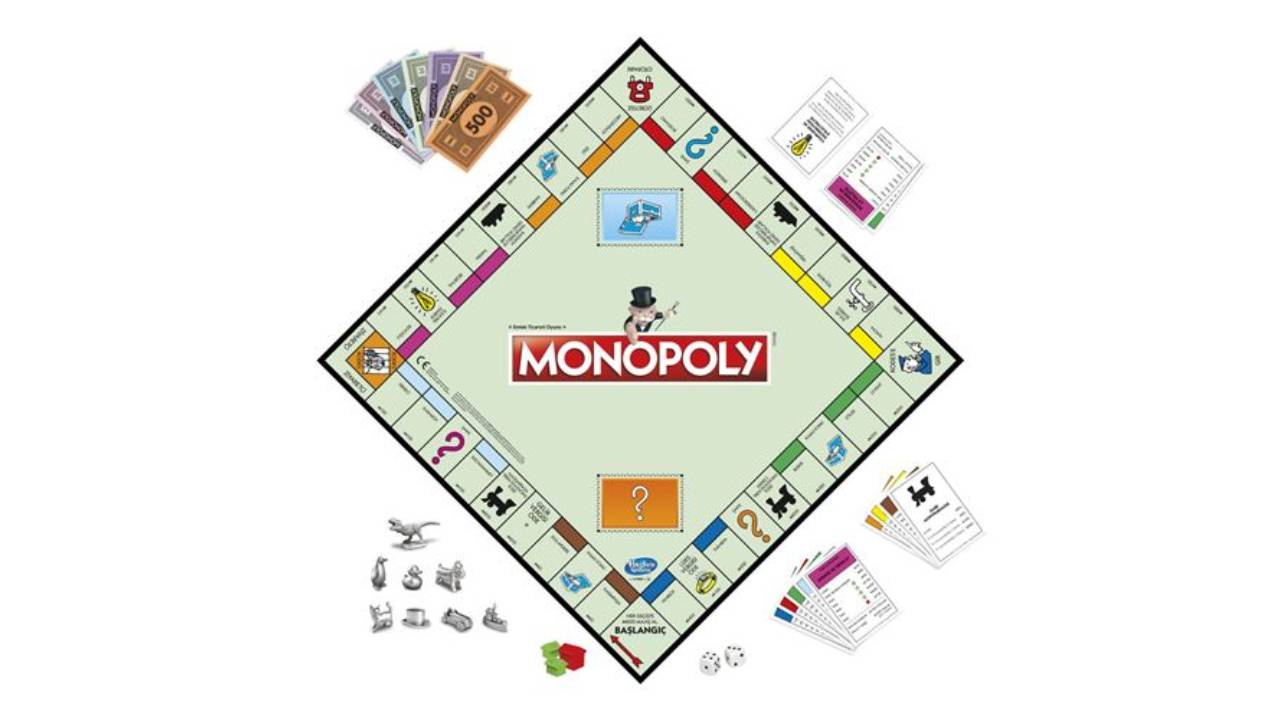
A standard Monopoly set contains:
- 1 gameboard with 40 spaces
- 10 playing tokens (including 2 spares)
- 28 Title Deed cards
- 16 Chance cards
- 16 Community Chest cards
- 1 pack of Monopoly money
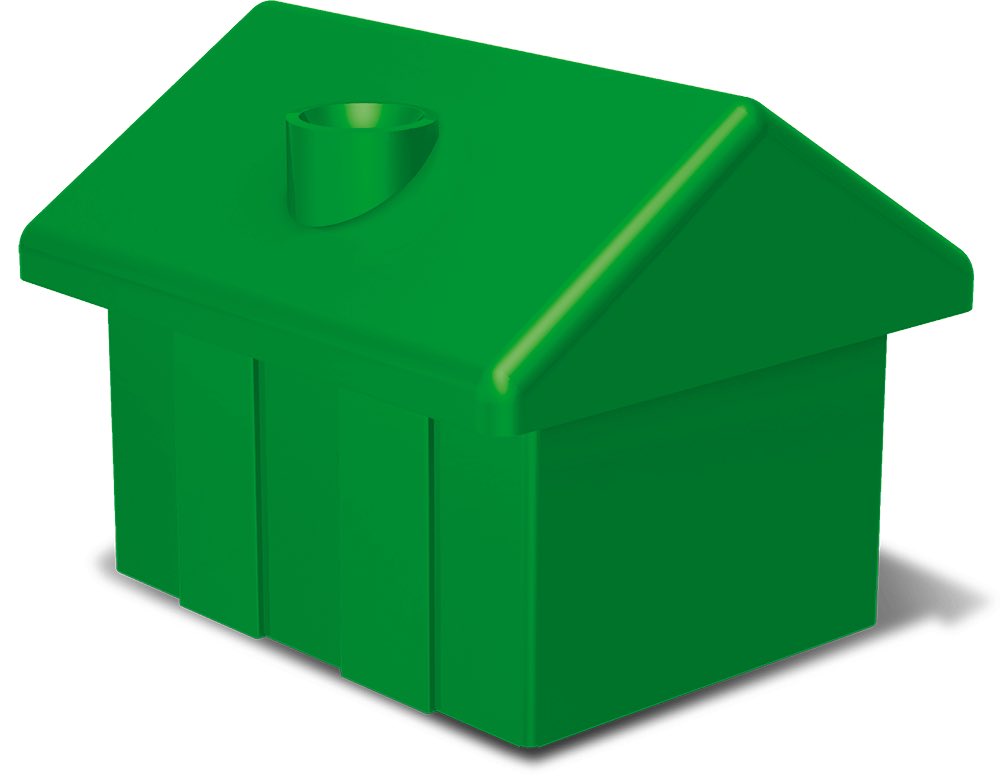
- 32 Houses
- 12 Hotels
- 2 dice
The Banker
One player is elected Banker. If there are more than five players, the Banker may choose to take on this role only (without playing). The Banker manages the Bank's money, Title Deeds, Houses and Hotels, and also pays salaries, bonuses, and collects taxes, fines, and interest. The Bank acts as auctioneer when needed.
Starting Money
Each player receives £1,500 divided as follows:
- 2 × £500
- 4 × £100
- 1 × £50
- 1 × £20
- 2 × £10
- 1 × £5
- 5 × £1
All players place their tokens on GO. Players roll both dice — the highest roller goes first, and play passes to the left.
Note: The Bank never goes bankrupt. If it runs out of money, it can issue IOUs on ordinary paper.
How to Play
On your turn, roll both dice and move your token clockwise around the board. The space you land on determines what happens. Two or more tokens may occupy the same space at the same time.
Depending on where you land, you may:
- Buy an unowned property (Site, Utility, or Station)
- Pay rent to the owner of a property you land on
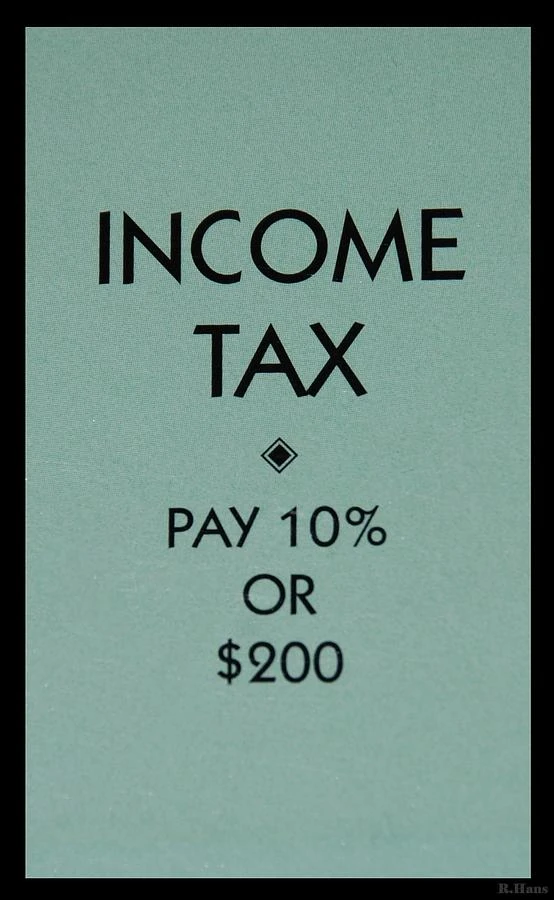
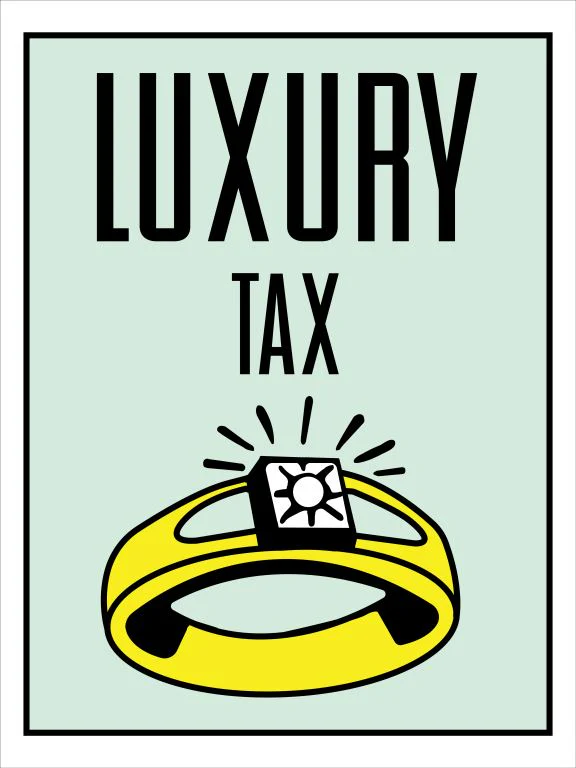
- Pay taxes (Income Tax or Luxury Tax)
- Draw a Chance or Community Chest card
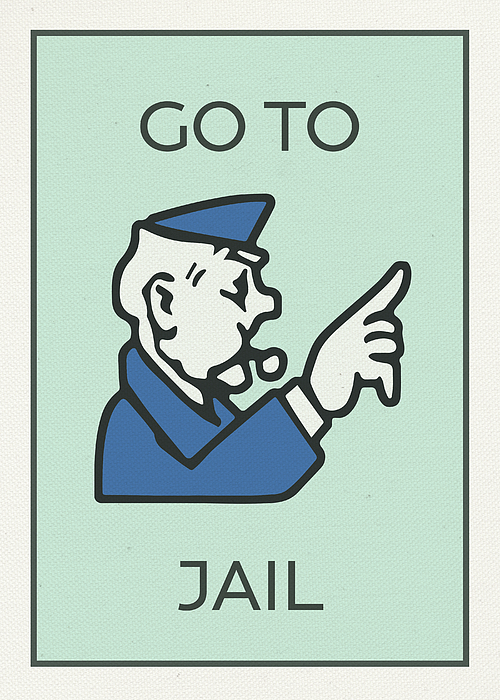
- Go to Jail
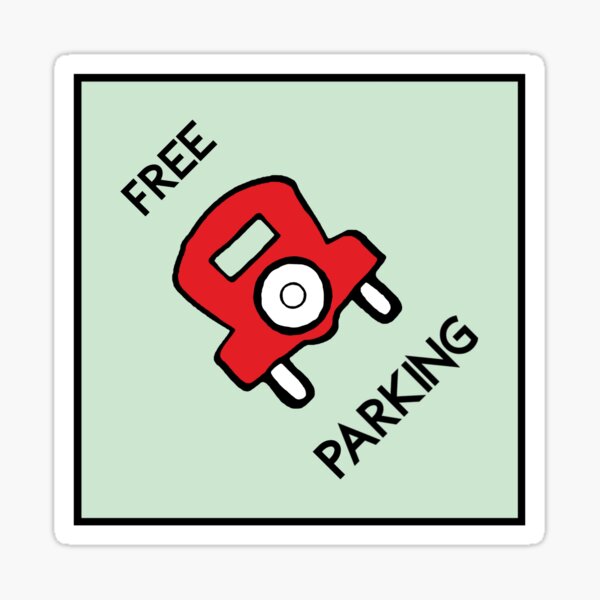
- Rest on Free Parking
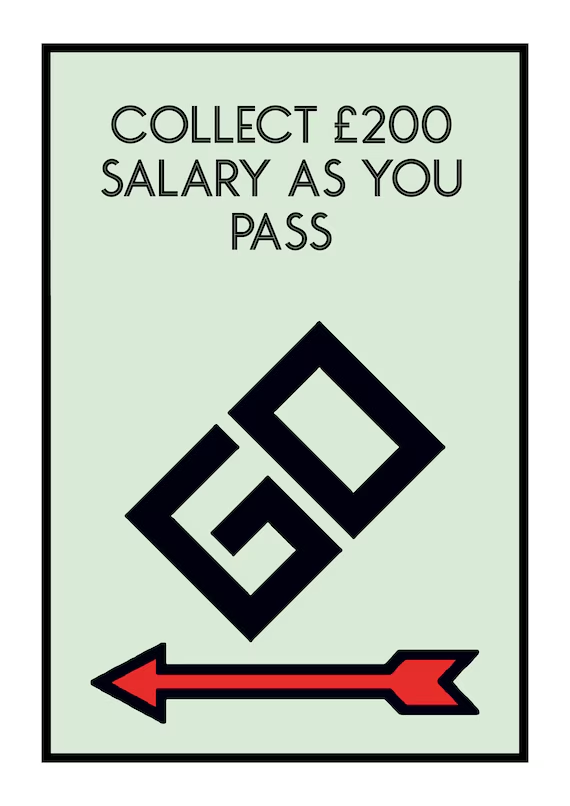
- Collect £200 salary by passing GO
Doubles
If you roll a double, take your turn as normal, then roll again for an extra turn. However, if you roll doubles three times in succession, you must go directly to Jail — do not complete your third move.
Passing GO
Every time you land on or pass GO, the Bank pays you £200. You can collect £200 twice in one turn if, for example, you land on a Chance or Community Chest space just after GO and draw a card saying “Advance to GO”.
Buying & Owning Property
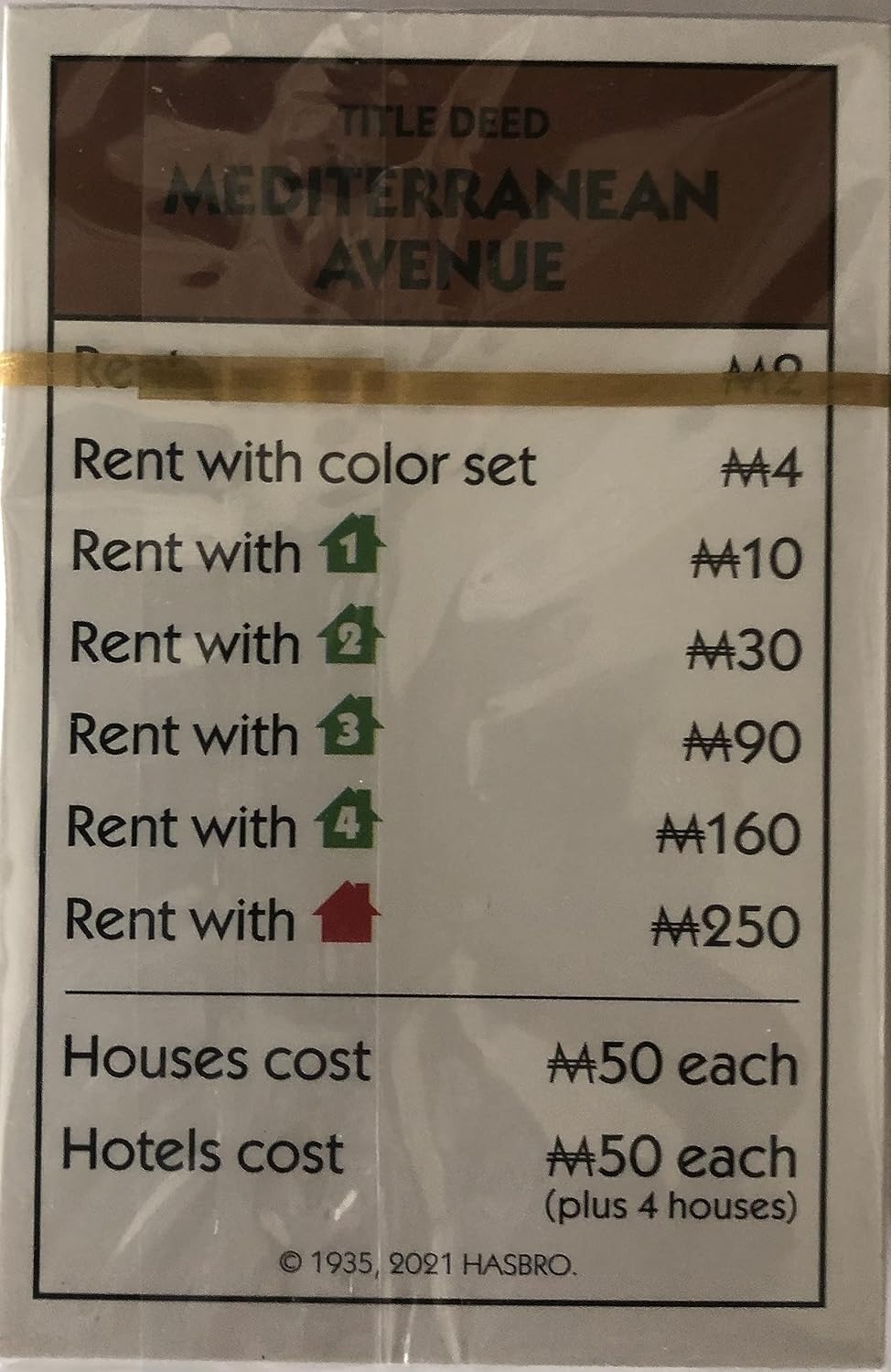
There are three types of property in Monopoly: Sites (colour-group properties), Stations, and Utilities. When you land on an unowned property, you have the first option to buy it by paying the Bank the price shown on the board. You receive the Title Deed as proof of ownership, which you keep face up in front of you.
Auctions
If you choose not to buy the property, the Banker must immediately auction it to the highest bidder, starting at any price another player is willing to pay. You may join the bidding too, even though you declined to buy at the printed price.
Monopolies
Owning all Sites within a colour-group gives you a monopoly. This doubles the rent on unimproved Sites in that group and allows you to build Houses and Hotels.
Rent Rules
Sites (Colour-Group Properties)
When an opponent lands on your Site, they must pay rent as shown on the Title Deed. The owner must ask for rent before the next player rolls the dice — if they forget, they miss out!
- No monopoly: Pay the base rent shown on the Title Deed
- Monopoly (all Sites in colour-group owned): Rent is doubled on any unimproved Site — unless any Site in that group is mortgaged
- With Houses/Hotels: Rent increases according to the Title Deed
Rent is not collected on mortgaged properties. However, you can still collect double rent from unmortgaged Sites if you own the full colour-group.
Stations
Station rent depends on how many Stations the owner holds:
- 1 Station owned: £25
- 2 Stations owned: £50
- 3 Stations owned: £100
- 4 Stations owned: £200
Utilities
Utility rent is based on the dice roll that brought the player there:
- 1 Utility owned: rent = 4 × dice roll
- Both Utilities owned: rent = 10 × dice roll
Chance & Community Chest
When you land on a Chance or Community Chest space, draw the top card from the relevant deck and follow its instructions immediately. Cards may ask you to:
- Move your token to another space
- Pay money (taxes, fines, repairs)
- Receive money (dividends, prizes, bank errors)
- Go directly to Jail
- Receive a Get Out of Jail Free card
After acting on the card, return it to the bottom of the deck. If a card moves you to another space and you pass GO on the way, collect £200. However, you do not pass GO when sent to Jail or sent backwards on the board.
A Get Out of Jail Free card may be kept until needed or sold to another player at a mutually agreed price.
Houses & Hotels
Once you own all Sites of a colour-group, you can buy Houses from the Bank. The price is shown on the Title Deed.
Even Building Rule
You must build evenly: you cannot place a second House on any Site until every Site in that colour-group has one House, and so on. The same rule applies when selling — you must sell evenly. You can buy or sell at any time, including between other players’ turns.
The maximum is 4 Houses per Site. You may not build if any Site in the colour-group is mortgaged. Even if only one or two Sites have been built on, you still collect double rent from unimproved Sites in your monopoly.
Hotels
After building 4 Houses on every Site in a colour-group, you may buy a Hotel. The cost is the 4 Houses (returned to the Bank) plus the Hotel price shown on the Title Deed. Only one Hotel may be built per Site.
Building Shortages
If the Bank runs out of Houses, you must wait for others to return theirs. Similarly, when selling Hotels, you cannot replace them with Houses if there are none left. If multiple players want limited Houses or Hotels, the Banker auctions them to the highest bidder starting at the lowest relevant Title Deed price.
Going to Jail
You are sent to Jail if:
- You land on the Go to Jail space
- You draw a Chance or Community Chest card saying “Go directly to Jail”
- You roll doubles three times in succession
Your turn ends immediately when sent to Jail. You do not collect £200, even if you pass GO on the way.
Getting Out of Jail
On your next turn, you have several options:
- Pay £50 before rolling and continue your turn normally
- Use a Get Out of Jail Free card (your own or purchased from another player at a mutually agreed price)
- Try to roll doubles — if you succeed on any of your next 3 turns, move out using that roll
After 3 failed attempts to roll doubles, you must pay £50 and move according to your final dice roll.
While in Jail
You can still collect rent on your unmortgaged properties, buy and sell Houses, and trade with other players. If you land on the Jail space during normal play (not sent there), you are “Just Visiting” — no penalty, and you move normally on your next turn.
Mortgaging Property
If you need cash, you can mortgage a property by turning its Title Deed face down and collecting the mortgage value from the Bank (shown on the back of the card). To mortgage a Site with buildings, you must first sell all buildings on every Site in that colour-group to the Bank.
- You retain ownership of mortgaged property — no other player can pay off your mortgage to claim it
- No rent is collected on mortgaged properties
- You can still collect rent on other unmortgaged properties in the same colour-group
- To unmortgage, pay the mortgage amount plus 10% interest
Selling Property
You may sell undeveloped Sites, Stations, and Utilities to other players at any mutually agreed price. No Site may be sold if any Site in its colour-group has buildings — sell all buildings to the Bank first.
Houses and Hotels can only be sold to the Bank at half their purchase price — never to other players. Houses must be sold evenly, just as they were built.
Selling Hotels
For Hotels, the Bank pays half the Hotel price plus half the price of the 4 Houses traded in. Hotels can be broken down: sell a Hotel to the Bank and receive 4 Houses plus half the Hotel cost in cash. All Hotels on one colour-group may be sold at once.
Selling Mortgaged Property
You can sell mortgaged property to other players at any agreed price. The buyer must immediately pay the Bank 10% of the mortgage value. They can then choose to either pay off the full mortgage immediately (plus 10%), or keep the mortgage and pay an additional 10% when they eventually repay it.
Bankruptcy & Winning
Bankruptcy
If you owe more than you can pay from your cash and assets, you are declared bankrupt and eliminated from the game.
Bankrupt to the Bank: The Bank receives all your cash and Title Deeds. All your properties are immediately auctioned to the remaining players. Get Out of Jail Free cards are returned to the bottom of their respective decks.
Bankrupt to another player: That player receives all your cash, Title Deeds, and Get Out of Jail Free cards. Your Houses and Hotels are sold to the Bank at half price, and the creditor receives the proceeds. Any mortgaged property transfers to the creditor, who must immediately pay the Bank 10% of the mortgage value and choose whether to pay it off or retain it.
Important Notes
- If you owe more rent than you have in cash, you may pay partly in cash and partly by transferring property (buildings must be removed first)
- It is your responsibility to watch for rents owed to you — ask before the next player rolls!
- Money can only be loaned by the Bank through mortgages — players may not lend or borrow money from each other
Winning
The last player remaining in the game wins!
Two official variant rules allow for shorter games:
Short Game
Three differences from the standard game:
- Property deal: Before play begins, the Banker shuffles all Title Deed cards, and the player to the left cuts the deck. The Banker then deals 2 Title Deeds to each player. Players must immediately pay the Bank the printed price for each property received.
- Faster Hotels: You need only 3 Houses (instead of 4) on each Site before buying a Hotel. Hotel rents remain the same as in the standard game. When selling Hotels, the value is still half the purchase price (which includes 3 Houses instead of 4).
- Earlier end: The game ends as soon as the second player goes bankrupt. Each remaining player tallies:
- Cash in hand
- Sites, Utilities, and Stations at printed board price
- Mortgaged property at half the printed board price
- Houses at purchase price
- Hotels at purchase price (including the value of 3 exchanged Houses)
Time Limit Game
Before starting, agree on a fixed time limit. Deal 2 Title Deeds to each player (who pay the printed price). Play continues as normal until time is up, then each player totals their assets as above. The richest player wins.
Game Scenarios
Scenario 1: The Auction Advantage
Scenario 2: The Doubles Dilemma
Scenario 3: The Even Building Rule
Scenario 4: The Utility Windfall
Scenario 5: The Mortgage Trap
Scenario 6: Bankruptcy to a Player
Scenario 7: The Housing Shortage Strategy
Special Cards





Frequently Asked Questions
No. The official rules state you collect £200 every time you land on or pass GO — the amount is always £200, regardless of whether you land on it or simply pass over it. The “double salary on GO” rule is a common house rule but is not in the official rules.
Absolutely nothing! In the official rules, Free Parking is simply a resting space with no reward or penalty. You may still conduct normal business (collect rent, build Houses, trade). The popular “money pot” house rule where taxes and fines go to Free Parking is not part of the official rules and tends to make games longer.
Yes! You can buy any unowned property you land on from your very first roll. There is no rule requiring you to go around the board once before purchasing.
Yes. While in Jail, you can still collect rent on all your unmortgaged properties, buy and sell Houses and Hotels, and trade with other players. Being in Jail only prevents you from moving around the board.
If the player who lands on it declines to buy, the Banker must auction it immediately. Bidding can start at any amount — even £1. The player who declined to buy may also participate in the auction. Properties cannot remain unowned if someone is willing to bid on them.
Yes. You must build evenly across all Sites in a colour-group. You cannot place a second House on any Site until every Site in that group has at least one House. The same rule applies when selling — you must sell Houses evenly. This rule also means you need 4 Houses on each Site before buying a Hotel.
Yes! You can buy Houses and Hotels at any time — on your turn or between other players’ turns. This allows you to quickly develop your properties before an opponent lands on them.
When you roll doubles (both dice showing the same number), take your turn as normal and then roll again. If you roll doubles a second time, you get another turn. But if you roll doubles a third time in a row, you go directly to Jail without completing the move.
To mortgage a property, turn its Title Deed face down and collect the mortgage value from the Bank. You must sell all buildings in the colour-group first. To unmortgage, pay the mortgage value plus 10% interest. You keep ownership of mortgaged property, but you cannot collect rent on it.
Yes. You can sell mortgaged property to other players at any agreed price. The buyer must immediately pay the Bank 10% of the mortgage value. They can then choose to either pay off the full mortgage now (plus 10%) or keep it mortgaged and pay an additional 10% when they eventually repay it.
The creditor (player you owe) receives all your cash, Title Deeds, and Get Out of Jail Free cards. Your Houses and Hotels are sold to the Bank at half price and the proceeds go to the creditor. Any mortgaged properties transfer to the creditor, who must immediately pay 10% of the mortgage value.
No. The official rules explicitly prohibit players from lending money to each other. Money can only be loaned by the Bank, and only through mortgaging property. You can, however, trade properties and negotiate deals.
Station rent depends on how many Stations the owner holds: 1 Station = £25, 2 Stations = £50, 3 Stations = £100, 4 Stations = £200. Owning all 4 Stations is very profitable!
Utility rent is based on the dice roll that brought the player there. If the owner has 1 Utility, the rent is 4 × the dice roll. If the owner has both Utilities, the rent is 10 × the dice roll. For example, rolling an 8 means paying £32 (one Utility) or £80 (both).
The official Short Game has 3 changes: (1) Deal 2 random Title Deeds to each player who must pay the printed price; (2) Only 3 Houses needed per Site before building a Hotel; (3) The game ends when the second player goes bankrupt — the richest remaining player wins. Alternatively, you can play a Time Limit Game by agreeing on a fixed end time before starting.
No comments yet. Be the first to share your thoughts!